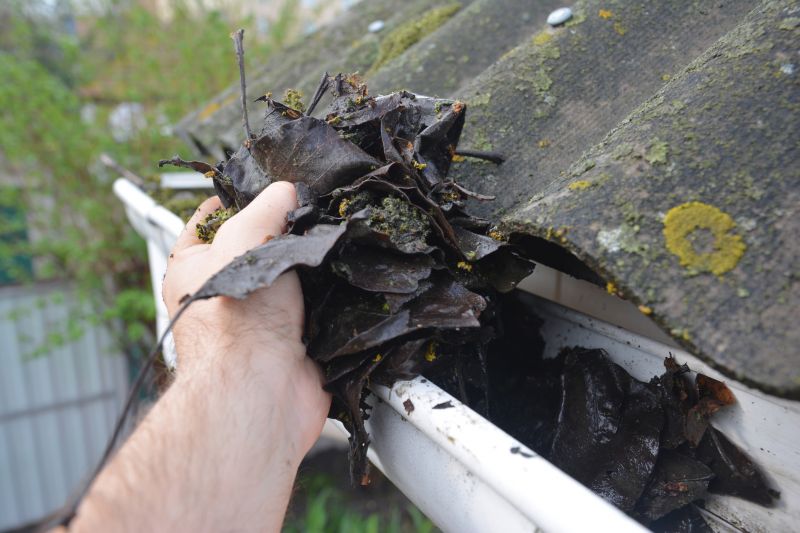
Gutter Leaves Removal in Long Island, NY
Gutter leaves removal services involve clearing out accumulated leaves, twigs, and debris from residential gutters to ensure proper water flow and prevent blockages. This service typically covers projects such as cleaning gutters on single-family homes, multi-story residences, or properties with complex rooflines. Homeowners often seek this service to avoid water damage, foundation issues, or roof leaks caused by clogged gutters, especially during fall or after storms when debris buildup is most common.
Before requesting gutter leaves removal, property owners usually want to understand the scope of the cleaning, including whether the service includes downspouts and gutter inspection. It’s also helpful to know if the service involves debris disposal and if any additional maintenance or repairs are recommended to keep gutters functioning effectively. Clear communication about the property's gutter system helps ensure the service meets specific needs and maintains the property's overall condition.
Many property owners in Long Island, NY look into Gutter Leaves Removal for repairs, replacements, upgrades, and appearance-related improvements.
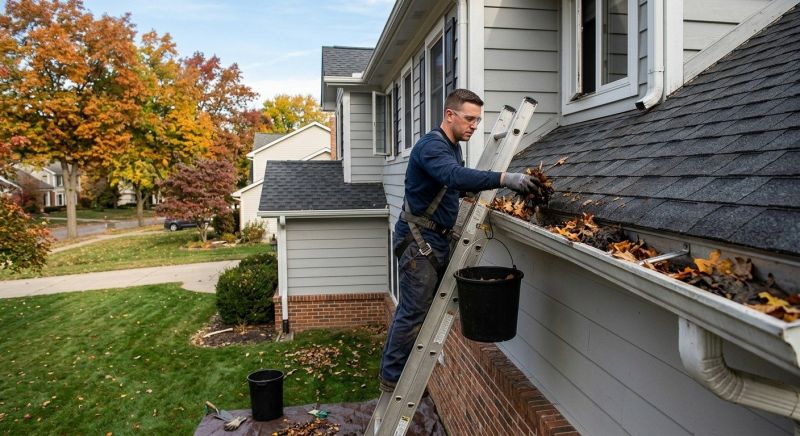
Gutter Maintenance
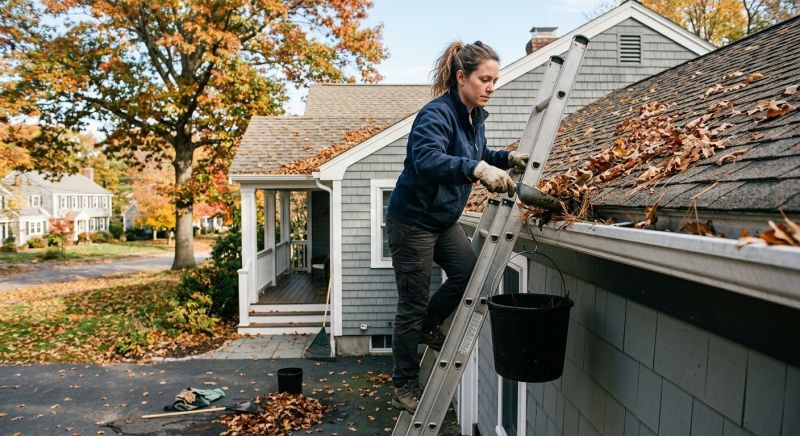
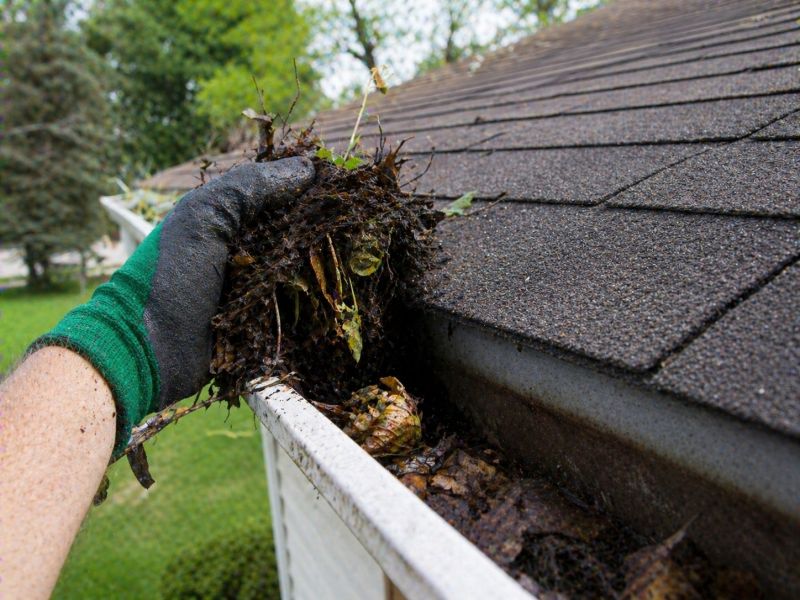
Removing leaves helps prevent clogs and water damage to your property.
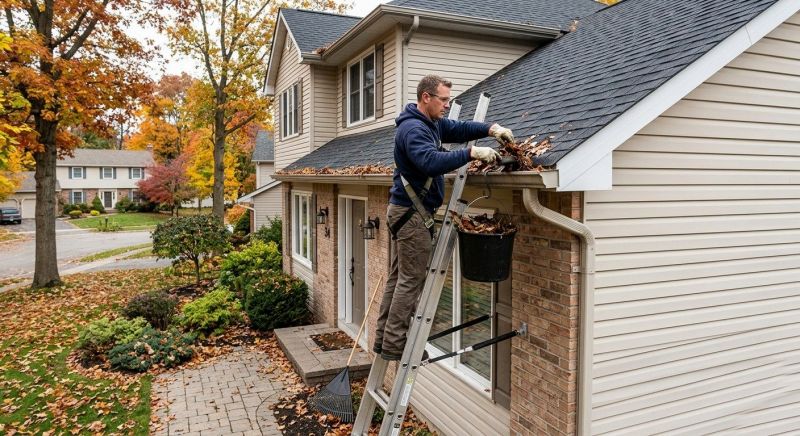
Property Protection
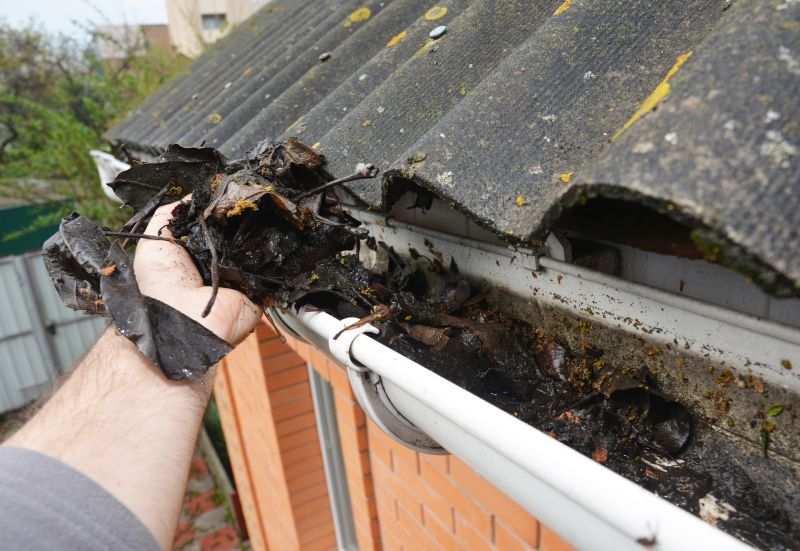
Clearing gutters reduces the risk of leaks, mold, and structural issues around long island homes.
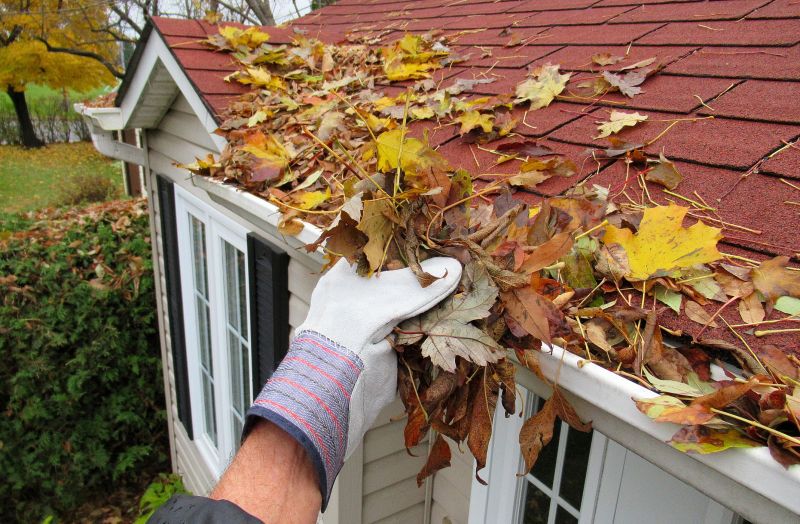
Seasonal Cleanup
Regular leaf removal ensures gutters function effectively during the fall and winter months.
Gutter Leaves Removal in Long Island, NY

Gutter leaves removal services involve clearing out accumulated leaves, twigs, and debris from residential gutters to ensure proper water flow and prevent blockages. This service typically covers projects such as cleaning gutters on single-family homes, multi-story residences, or properties with complex rooflines. Homeowners often seek this service to avoid water damage, foundation issues, or roof leaks caused by clogged gutters, especially during fall or after storms when debris buildup is most common.
Before requesting gutter leaves removal, property owners usually want to understand the scope of the cleaning, including whether the service includes downspouts and gutter inspection. It’s also helpful to know if the service involves debris disposal and if any additional maintenance or repairs are recommended to keep gutters functioning effectively. Clear communication about the property's gutter system helps ensure the service meets specific needs and maintains the property's overall condition.
Many property owners in Long Island, NY look into Gutter Leaves Removal for repairs, replacements, upgrades, and appearance-related improvements.
Common Gutter Leaves Removal Jobs
Gutter Leaves Removal - Clearing accumulated leaves to prevent clogs and water damage.
Storm Debris Removal - Removing twigs, branches, and other debris after storms to keep gutters clear.
Seasonal Gutter Cleaning - Regular removal of leaves and debris during fall and spring for proper drainage.
Gutter Debris Flushing - Flushing out gutters to remove dirt, silt, and small debris buildup.
Downspout Clearing - Ensuring downspouts are free of leaves and obstructions for effective water flow.
Gutter Inspection & Removal - Checking for damage while removing debris to maintain gutter system integrity.
Gutter Leaves Removal Questions
Why is leaf removal important for gutters? Removing leaves prevents clogs that can cause water overflow and damage to the roof and foundation.
How often should gutter leaves be cleared? Regular removal is recommended at least twice a year, especially during fall and after storms.
What types of debris are typically removed during leaf clearing? Common debris includes leaves, twigs, pine needles, and small plant materials that can block gutter flow.
Can gutter leaf removal prevent water damage? Yes, keeping gutters clear helps ensure proper water drainage and reduces the risk of water-related damage to the property.
Request Gutter Leaves Removal in Long Island, NY
Use the quote form on this page to share the basics of your project and request more information for the type of work you need.